Jaysley Beck’s inquest revealed that the 19 year old Royal Artillery gunner was terrified of her superior in the time leading up to the sexual assault he inflicted on her. Jaysley tragically took her own life at Larkhill Camp in December 2021.
Since the time of Jaysley’s inquest and subsequent evidence within the Defence Select Committee, we’ve heard from an increasing number of men and women who have suffered horrific instances of military sexual trauma (MST). This includes recent assaults as well as assaults that took place decades ago which still negatively impact lives many years later.
It’s dreadful that for those assaulted before 1987, they are unable to sue the MOD for any legal fault in cases of personal injury, illness or death attributed to service if the attack happened on MOD land.
It’s hardly surprising that it’s extremely difficult for one to deal with the ethical betrayal, effects of the criminal activity and subsequent trauma inflicted by serving personnel on one’s own side. To this day, speaking out about MST is generally not accepted, and there are still concerted attempts to conceal sexual assault within the military by threatening, shunning and punishing victims rather than perpetrators.
The abhorrent sexual attacks we hear of culminate in physical, psychological and moral injuries, including loss of identity, social withdrawal, guilt, complex PTSD and no longer being able to cope. Visits to veterans’ clubs can be incredibly hard and awkward when those who endure MST are asked about why they left service and if they are still connected to their regiment or unit. Many feel displaced and dejected.
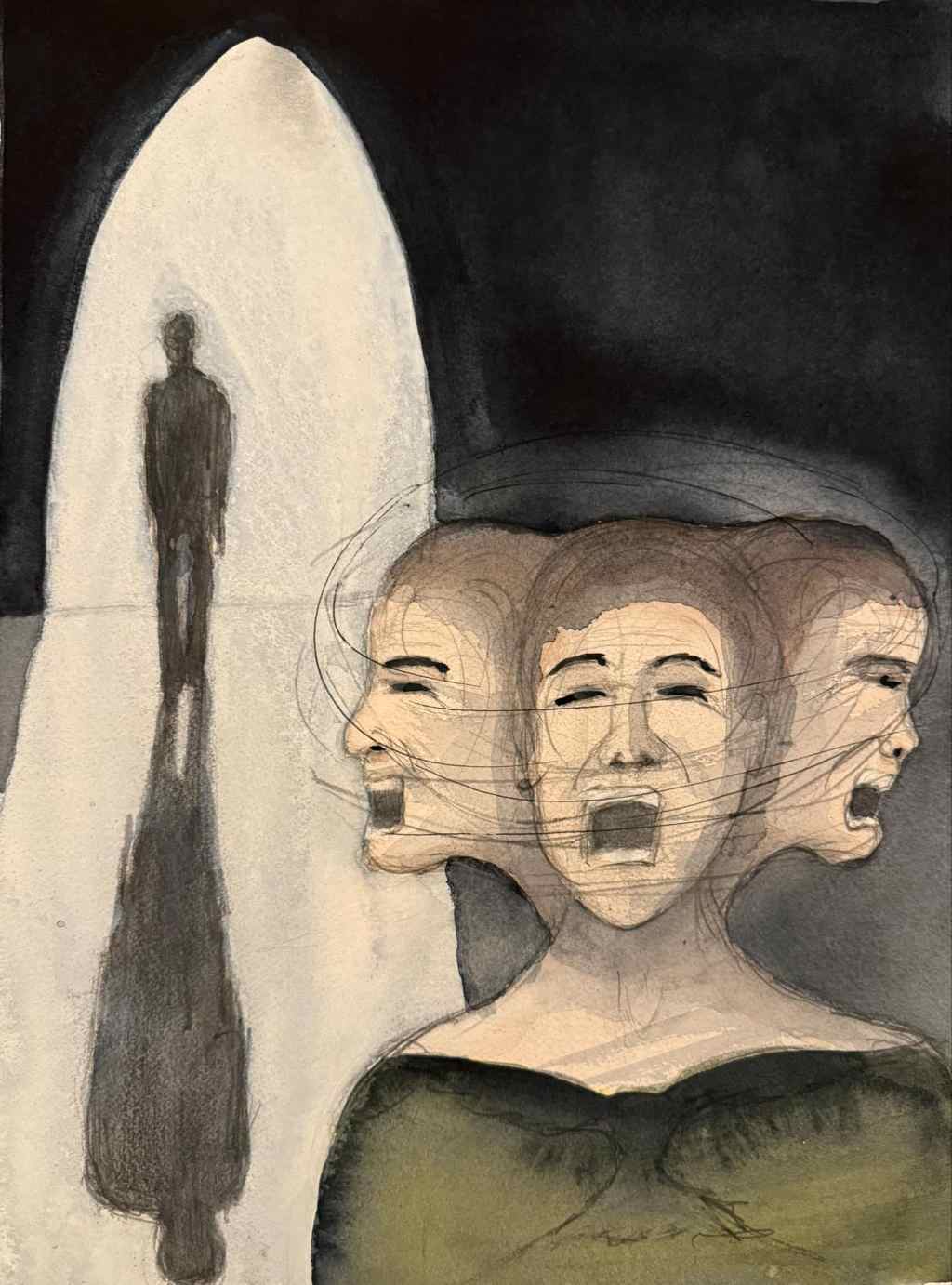
Breached has teamed up with expressionist artist, Sharon Beedell. Sharon has first hand experience of severe domestic violence, and a thorough understanding of moral injury. Her work focuses on finding one’s voice and being heard, even when it seems that no one is listening and the individual is being actively condemned by those around them. Sharon is keen on working with individuals on a collective project towards a sense of expression and self healing.
Breached is searching for individuals who are affected by MST to create art, poetry and creative writing to share their message to the wider public about how MST is not acceptable and should stop being covered up; this can all be done anonymously if preferred.
Recently, Pete contacted Breached, kindly giving his permission for us to use the story of his horrific rapes to reach others. He writes,
So glad we have people on our side like yourself. It makes the unbearable loneliness slightly bearable. Thank you.
Pete was born in Northern Ireland, and, as a child, placed into foster care, along with nine of ten siblings.
Pete’s foster parents encouraged him to join the army, stating he had prospects of a lengthy career and a good pension. Pete heeded their advice, and, in 1972, joined the Grenadier Guards, aged 15.
His expectation of a good career was cut short. Aged 16, Pete was violently struck across the back of his neck, and threatened not to tell or he would be killed. He was then repeatedly raped by three masked officers. The officers tossed money on the floor during the attacks.
Pete writes,
Within a couple of days of the assault, I was discharged on the grounds of services no longer required.
I was still classed as a child. I was beyond scared and confused with so many different emotions I did not know then or at times who or what I am supposed to be.
I sadly thought that being in the army was one big happy family, I would have my back covered just like everyone else.
That which was taken that afternoon can never be given back.
From loving school and making food parcels for the elderly as a child, Pete’s life spiralled out of control after his multiple rapes. His PTSD emanates from this experience on home turf, within his own regiment, by those who knew better but acted criminally as a pack descending on their vulnerable prey.
Pete experienced life on the streets, and says that,
At age 68 I could still cry when I look back at the boy I was. I wish I could go back to when I was that junior guardsman to help my own self.
In 1972, my uncle had been shot in the throat by an IRA sniper. If I had been shot like my uncle I could understand, but when it’s your own people and system and government, it’s a terrible place to be in.
Pete sought help for the psychological scarring injuries he endured at the hands of his aggressors. He was visited at home by a doctor as part of his war pension process. The doctor asked Pete to trust him with his story and told him outright that if he thought Pete was lying he would report it to the appeal panel.
We know of lesbian women who have been raped by members of their unit in order to “turn them”, and many more men and women who have still not spoken to anyone of their experiences of MST.
Please contact on ceri@breachedcic.org or michelle@breachedcic.org if you would like to be involved in creating artwork, poetry or prose concerning experiences of MST. If you feel you need further help, we can assist with referrals for you too.
 Breached CIC